
Train Integrity Through Real-World Practice
Today we dive into Simulated Team Dilemmas to Build Ethical Decision-Making Skills, showing how deliberately designed scenarios help groups rehearse values under pressure, reveal blind spots, and transform reflection into everyday behavior. Expect actionable guidance, memorable stories, and practical tools you can try immediately with your team, whether you lead compliance, learning, operations, or a small project squad committed to doing the right thing when it matters most.
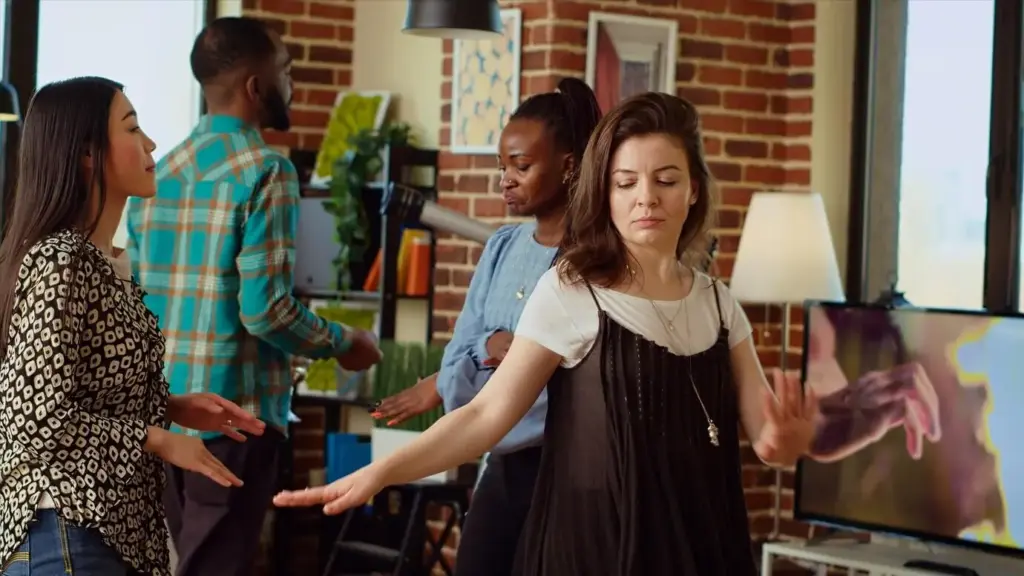
Learning by doing, together
Ethical skill is behavioral, not purely conceptual. When colleagues collaborate inside a safe simulation, they test ideas, sense pressure, and witness consequences without harming real customers or coworkers. That lived experience sticks. Research on experiential cycles shows reflection after action consolidates learning. In teams, peers model courage and careful reasoning for one another, transforming individual insights into collective capability that can be deployed the next time an ambiguous situation suddenly appears at work.
Courage grows in safe rehearsal
Speaking up rarely feels easy, especially when hierarchy, urgency, and conflicting incentives collide. Simulations create psychological safety to practice language, body posture, and curiosity that de-escalate tension while protecting principles. People can rehearse pushing back on unreasonable requests, asking clarifying questions, and inviting broader perspectives. Each successful attempt deposits a little courage into the team’s account, making future conversations calmer, more precise, and less personally risky when genuine pressure appears outside the practice environment.
From scenario to workplace
Transfer happens when scenarios mirror real constraints and debriefs draw explicit bridges to daily routines. Focus on cues people will recognize later—metrics pressure, scarce time, persuasive peers, and partial information. Then co-create checklists, phrases, and decision triggers that participants can use tomorrow. When a similar email arrives or a meeting turns complicated, teammates recall the rehearsal, anchor on shared commitments, and act with steadier judgment, not because they remember theory, but because they remember practice.
Map the real pressures

Interview frontline colleagues and leaders to surface authentic forces: target commitments, bonus structures, customer demands, vendor relationships, and cultural norms like speed or consensus. Translate those pressures into characters, emails, and metrics inside the scenario. When participants recognize details, they invest emotionally and think harder. Realistic pressures also prevent easy answers, ensuring the group must negotiate trade-offs, ask for missing data, and articulate the principles they will defend when stakes truly rise.
Keep ambiguity honest, not confusing

Ambiguity should reflect reality, not sloppy design. Provide enough clarity so teams can reason, yet withhold just enough to force inquiry. Avoid trick puzzles; instead, craft conflicting signals a thoughtful professional might encounter. Time-box discovery, reveal new information mid-exercise, and ensure multiple defensible paths exist. Participants should feel challenged yet respected, compelled to justify choices transparently. Honest ambiguity builds discernment and humility—skills that translate into wiser action when tomorrow’s problem lacks a perfect answer.
Spot bias traps early

Seed the scenario with common cognitive pitfalls: confirmation bias, sunk-cost attachment, overconfidence, and authority bias. Signal them subtly through character behavior and data snippets. During debrief, name the traps and explore how they shaped discussion. Invite participants to propose countermeasures they’ll apply at work—premortems, red teams, explicit dissent roles, and structured checklists. Recognizing bias in a safe simulation equips teams to notice it faster later, protecting decisions from predictable, avoidable errors under pressure.




Guiding the Conversation That Matters
Great facilitation turns a vivid scenario into lasting growth. The facilitator’s job is not to judge, but to help teams see their reasoning, feelings, and blind spots with clarity. Use warm-up agreements to normalize respectful disagreement, then guide exploration with grounded questions. Highlight value conflicts without shaming. Close with commitments that participants own. When debriefs are psychologically safe, specific, and forward-looking, people leave energized, supported, and ready to apply stronger judgment in their very next decision.
Behavioral rubrics that matter
Build rubrics anchored in observable behaviors, not abstract ideals. For example: names impacted stakeholders, requests missing data, articulates trade-offs, proposes mitigations, and invites dissent. Define proficiency levels with concrete descriptors and examples. Share the rubric beforehand so participants know what good looks like. During debrief, highlight behaviors you saw and those that would strengthen decisions. Over time, rubrics create a shared standard for ethical excellence, guiding coaching, recognition, and performance development across the organization.
Scenario-based assessment you can trust
Use multiple short dilemmas rather than one long case to reduce scenario-specific bias. Rotate roles so participants experience varied pressures. Supplement human observations with structured note-taking checklists. Where appropriate, anonymize written rationales for blind scoring. Triangulate with pre- and post-assessments and realistic follow-up challenges weeks later. Consistency, transparency, and multiple data points produce fairer conclusions, building confidence that growth is real and that the simulation program genuinely strengthens ethical decision-making skills across teams.
Follow-through with pulse checks
Learning decays without reinforcement. Schedule lightweight pulse checks—quick surveys, short dilemmas in team meetings, or reflective questions in sprint reviews. Track whether escalations happen earlier, concerns are raised with clearer rationale, and mitigation plans include measurable checkpoints. Share aggregated trends with participants and leaders, celebrating improvements and addressing stubborn gaps. Pulse checks keep attention on everyday choices, converting a memorable workshop into a sustained practice that protects people, performance, and organizational reputation over time.
Running High-Impact Simulations Anywhere
Whether your team is colocated, hybrid, or fully remote, you can deliver emotionally engaging, logistically smooth simulations. Start with purpose, then choose tools that disappear into the background. Mix synchronous discussion with asynchronous prompts. Use breakout rooms for intimacy and shared documents for clarity. Design for accessibility, time zones, and bandwidth constraints. When the experience is inclusive and friction-light, participants focus on ethical reasoning, not technology, and the practice becomes available to everyone who needs it, everywhere.
Tools that fade into the background
Select a stable video platform, collaborative canvases for stakeholder maps, and simple polling for decisions. Provide pre-session tech checks and clear instructions so participants arrive confident. Build templates—email snippets, metrics dashboards, and character cards—that speed immersion. Keep facilitation cues visible without clutter. Technology should enable rich human interaction, not compete with it. When tools are predictable and intuitive, cognitive effort shifts from navigation to moral analysis, enabling deeper, braver conversation about what truly matters.
Asynchronous role-play, real accountability
Not every team can meet live. Asynchronous simulations using threaded discussions, scheduled emails from characters, and time-released evidence create genuine urgency without calendar pain. Assign response windows and reflection prompts to sustain momentum. Require participants to justify decisions publicly, noting trade-offs and risks. Facilitators can weave in updates that reflect choices made. This cadence mirrors real work, where information arrives unevenly, and encourages thoughtful, unhurried reasoning that often produces more careful, principled outcomes.
Inclusive by design
Accessibility is ethical. Provide transcripts, readable color contrast, keyboard navigation, and alternative formats for materials. Rotate roles so quieter participants aren’t always observers. Accommodate time zones by offering multiple sessions and flexible deadlines. Invite pronunciation guides and set norms for respectful turn-taking. Design scenarios that honor diverse cultural perspectives on fairness, duty, and harm. Inclusion enriches analysis and builds belonging, ensuring everyone can contribute their wisdom to better decisions that serve broader communities and stakeholders.
Stories from the Practice Field
Real experiences turn ideas into conviction. The following stories, adapted from composite situations across industries, show how simulated dilemmas prepared teams for critical moments. Each narrative contains uncertainty, competing values, and ordinary people under pressure. Notice how preparation influenced language, questions, and final choices. Then consider your team’s likely crossroads. Share your reflections and comparable situations with us; your insights can help others navigate their next difficult conversation with courage, clarity, and genuine care for those affected.
A procurement specialist received an expensive conference invitation from a preferred supplier days before a renewal. In the simulation, she had practiced naming conflicts and proposing transparent alternatives. In reality, she thanked the vendor, declined, documented the interaction, and suggested a public supplier session for all. Her manager backed the choice because the team had rehearsed the exact language. The relationship survived, trust increased internally, and the contract review proceeded with cleaner optics and stronger safeguards.
Product leaders faced a looming launch and a late-discovered privacy flaw. Months earlier, their simulation had rehearsed escalating uncomfortable news with clear stakes and mitigation options. They quickly mapped affected users, quantified risk, and presented leaders with choices, timelines, and safeguards. The launch slipped two weeks, communications were candid, and customers praised the transparency. The short delay prevented long-term damage. The team credited practice for the calm tone and structured reasoning that guided a difficult decision.
On a construction site, a junior engineer noticed a rushed sequence that created a fall hazard. In training, she had practiced respectfully interrupting work and inviting immediate review. She asked for a pause, described the risk, and offered a safer sequencing option. Some colleagues were frustrated, but the foreman listened and adjusted. Later, an after-action review showed the pause likely prevented injury. The engineer’s confidence came from rehearsal, and the crew adopted a new pre-task safety checklist.

All Rights Reserved.